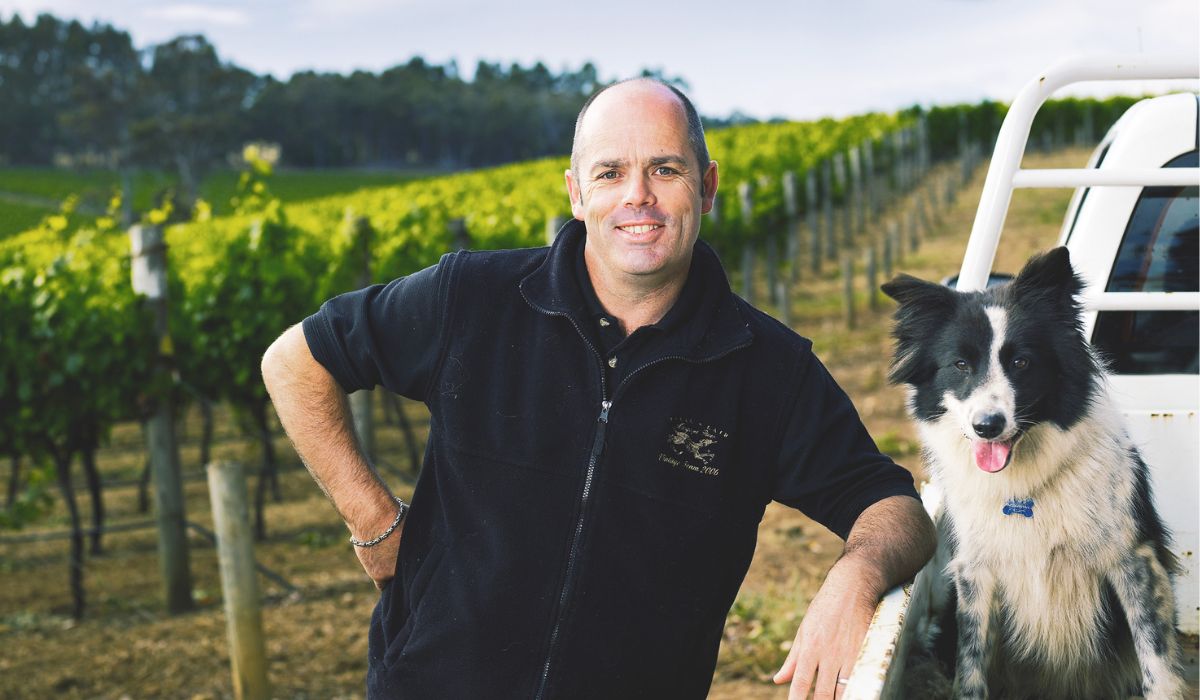
This is a story that hangs heavily. I’d been wanting to write about Devil’s Lair in Margaret River for a while, with viticulturist Simon Robertson at the forefront. He’d been there since 1993; longer than the owners, all the winemakers and various management within the corporate behemoth that is Treasury Wine Estates (TWE) – its current owner.
Simon knew the landscape intimately; this was the crux of the story. I’d met him a few times over the years and wanted to come back for a meaningful deep dive into the chardonnay-dominant property he loved enough to get 'Devil’s Lair' tattooed on his back.
His mates called him Robbo. Funny, ebullient, a fit bloke, yet he died in June 2024 from a brain tumour. He was 57.
Despite undercurrents of sadness, this story is now part tribute, part reflection, while appraising the recent successes. And yes, Simon remains at the heart of it all.
"He absolutely was the glue to that place. It was his life,” says friend and winemaker Charlotte Newton, who worked alongside him at Devil's Lair in the mid-2000s. “He was incredibly passionate, and still at the top of his game. When you’re in a job that long, some people lose their mojo and become lazy, doing recipe stuff. He didn’t do that. He’d travelled overseas in the last 10 years, to California for harvest, kept up his skill set and had embraced sustainability. He was a quirky guy. Really special. We miss him,” she says.
First, it's worth stepping back in time, precisely to 1981. Journey released 'Don’t Stop Believin,’ which could have been Phil Sexton's theme song as he set about creating Devil’s Lair, one of the most ambitious wine projects at the time. (Today he has a reputation as an entrepreneurial brewer and businessman, linked to such names as Matilda Bay Brewing Company and Little Creatures, as well as Giant Steps and Innocent Bystander wineries).
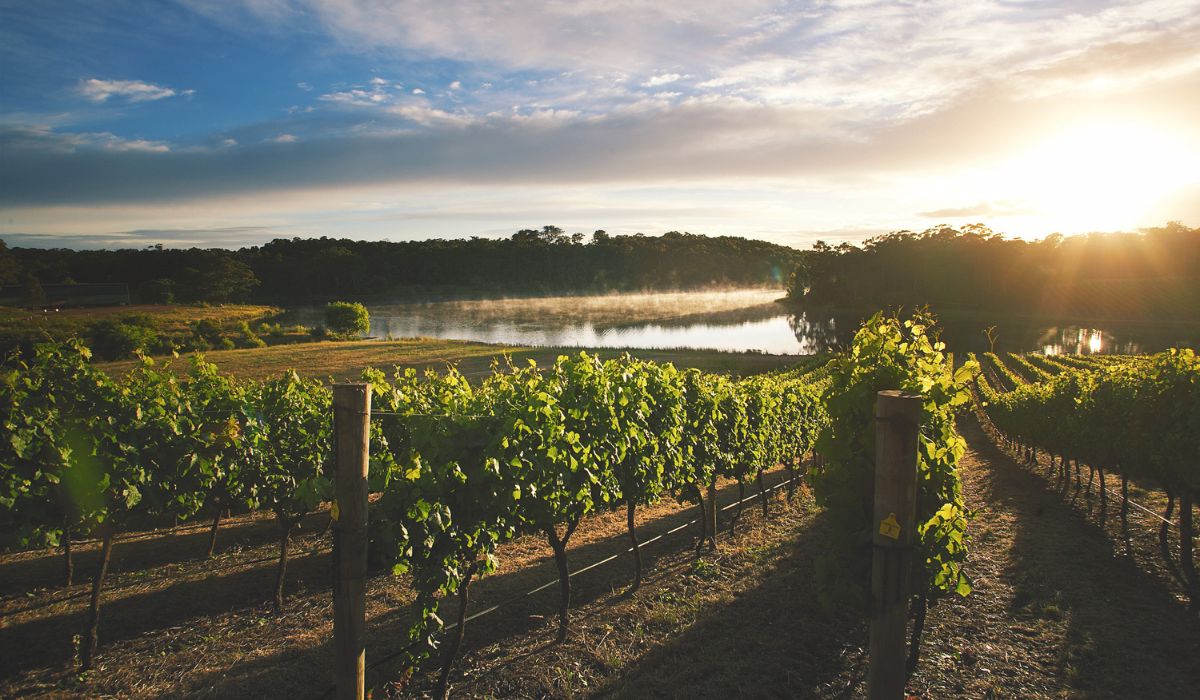
Phil found a beautiful patch of land at Forest Grove, 14 kilometres south of the Margaret River township. Not visible from Busselton Highway, the site is full of disparate aspects surrounded by native forest with jarrah, marri and karri trees, and wetlands, all cooled by ocean breezes. There were barely any vineyards in the region then, but he recognised the potential. Phil named it Devil’s Lair after the single-chamber cave nearby in the Leeuwin-Naturaliste National Park, where significant ancient artefacts as well as animal and human skeletal remains were found. It turned out to be one of the earliest sites of human occupation, dating back 48,000 years.
The property now covers 200 hectares, of which 85 are under vine, mostly chardonnay but also cabernet sauvignon with some merlot, shiraz, semillon and sauvignon blanc, too. There’s also the 14-hectare dam Phil had built to land his water plane.
It took nearly a decade before the first wine was made in 1990 by John Wade, who was at Plantagenet Wines in Great Southern at the time. Janice McDonald, based at Matilda Bay, says Phil lured her away from brewing beer to become Devil’s Lair's first official winemaker in ’92.
“He said do you want to go and build a winery and make wine? Here’s the book, just go and do it,” recalls Janice with a laugh. “He’s a very convincing guy, so I said, yeah, I’ll do it. “The following year Simon came onboard and, ultimately, Phil allowed us to take ownership of the place. It was a big thing. Simon nurtured those vineyards. We worked exceedingly hard and very long hours, although we didn’t think about it at the time. It was very exciting to be involved.”
In 1996, Southcorp (now TWE) purportedly bought Devil’s Lair for an eye-watering $7 million. Bizarrely, Phil was in absentia – brewing in America – and never came back to the property. It probably rankled a few of the faithful.
“Simon was so incredibly dedicated to the place, and he had a wonderful ability to adapt from the Sexton model to the large corporate one,” Janice says. Those were the days when chardonnay and cabernet sauvignon dominated, given they are the region’s flagship varieties. Under Southcorp, the wines gained traction and accolades along the way. People were taking note.
“The Southcorp group winemakers (which included Ian McKenzie and James Halliday AM) were passionate about the wines and winemaking. They were wine lovers, and I really enjoyed the interaction with those guys. They believed in the wines, they gave us support and great direction.”
However, after vintage 2000, Janice left and Stuart Pym moved from Voyager Estate to be the next chief winemaker. Coincidentally, he’d also worked as a brewer at Matilda Bay and is Janice’s life partner.
Reflecting on this time, Stuart says some stylistic changes came into play, including a higher ratio of solids with the chardonnay to build texture, but the revelation for him was the introduction of two Dijon clones, 95 and 96. While they don’t have the power or definition of the famed Gingin clone, which is also planted on the property, they nonetheless produce wines of subtlety and texture.
“Simon planted them and there were enough blocks of the clones for me to take separate batches of each and make a good comparison. They were complex and elegant, open knit and more supple than the concentrated, focused Gingin. It makes me completely unfashionable, but I preferred them, and in 2004 on my own site (he and Janice own Flowstone Wines) I planted only those two.” Stuart witnessed the changeover from Southcorp to TWE, and then left in 2007.
In this third era of change, some solid wines were made, including the introduction of the 9th Chamber label representing the best chardonnay and cabernet. But a lot more wine and styles were made under the Fifth Leg banner (which began with Southcorp), some of which were a bit ho-hum, and the place faltered. The merry-go-round of winemakers – four came and went between ’08 and ’22 – didn’t help. There seemed a lack of focus from TWE. To date, Devil’s Lair has had no sales manager, and only recently appointed a brand ambassador.
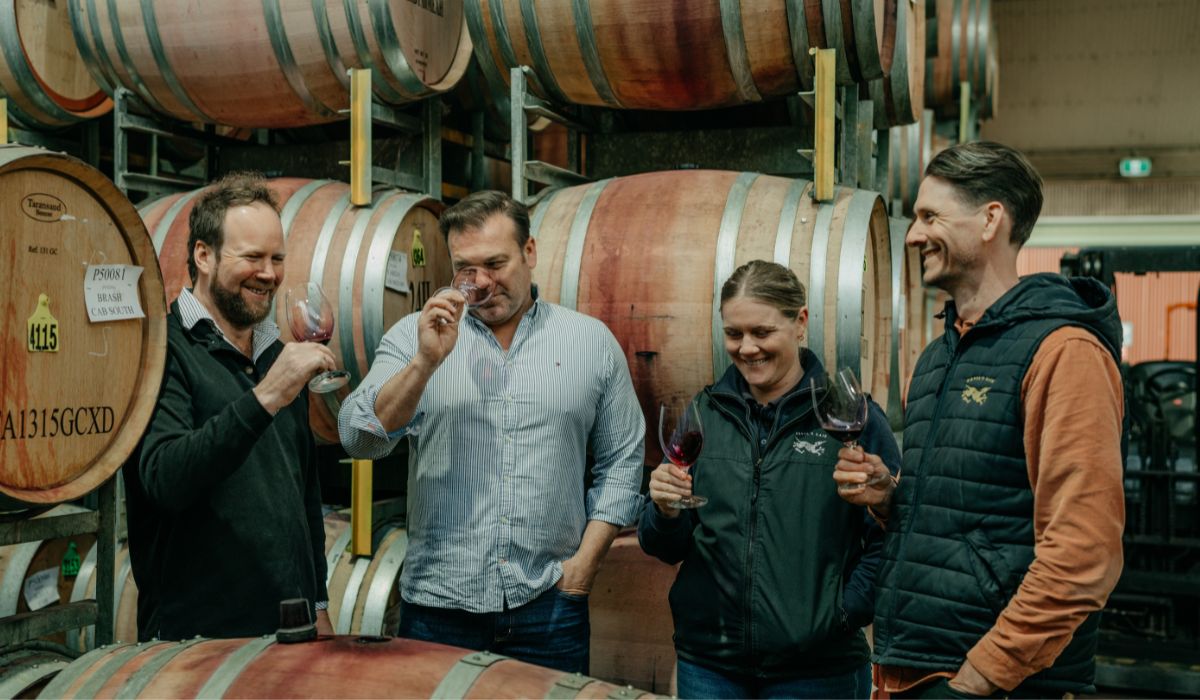
But after a recent visit back to this impressive property to taste through a decade each of chardonnay and cabernet, including some excellent about-to-be-released wines, I’m happy to report there’s a sense of renewal. It started in 2022 with the appointment of Travis Clydesdale as senior winemaker/site manager (taking on the role of viticulture manager since Simon’s death) and Dominic Coulter, who has been a corporate winemaker at TWE for a decade. Coincidentally, he grew up in Western Australia and while finishing his winemaking degree did a stint at Devil’s Lair in ’12 as a cellar hand. Winemaker Simon Bromilow, who worked there from 2011 to ’14, has also returned to the fold. They’re an impressive trio.
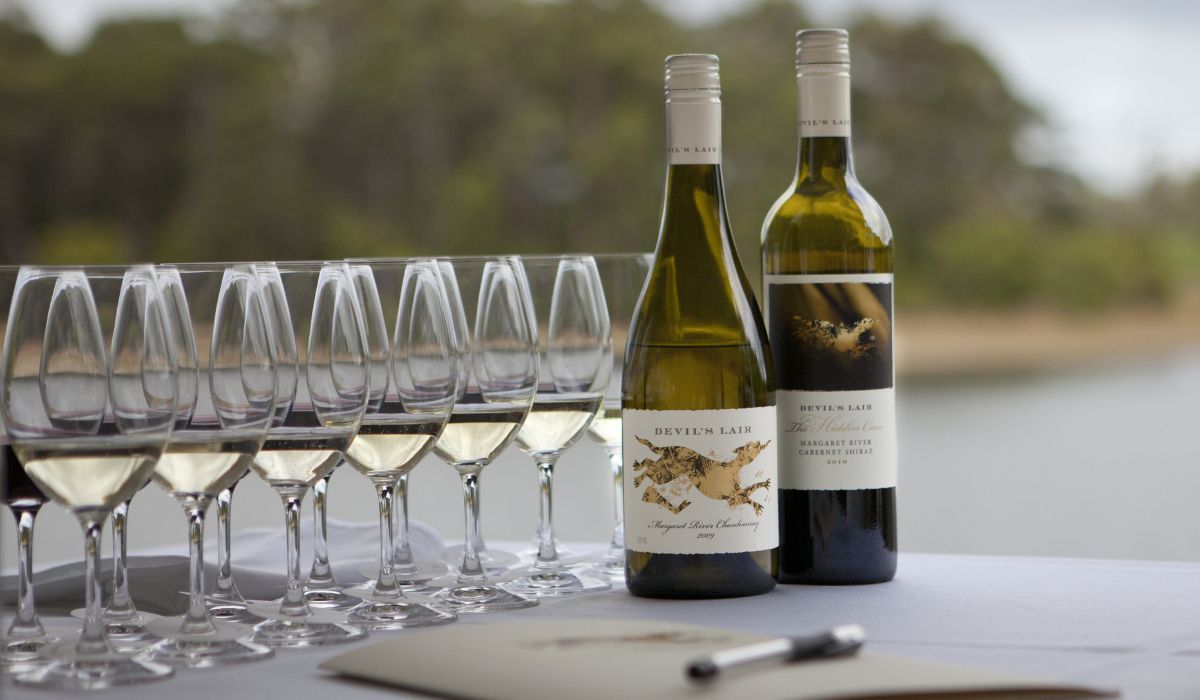
The top wines from the last couple of years are the best to date. Although for all the hurrah about chardonnay, and they are good, the ’22 and ’23 estate cabernet sauvignons ave shone brightest – the former was Wine of Show at the Margaret River Wine Show in late ’24 and won Best Cabernet Sauvignon at the 2024 National Wine Show. The ’23 nabbed the Halliday 2026 Cabernet Sauvignon of the Year and, a few months ago, took out top spot at the national James Halliday Cabernet Challenge. These are $40 wines, folks.
Corporate ownership has at times complicated the trajectory at Devil's Lair. Aside from the constant pressure of shareholders and all that entails while running a global business based on forecasts, the policy of sending the wine nearly 3000 kilometres away for bottling in the Barossa Valley is not ideal for any wine, especially the delicate chardonnay. The Devil’s Lair crew know this – and given the chardonnay market is one of the strongest and most competitive in Australia, attention to detail is key.
“It’s a discussion we continue to have, particularly for chardonnay. Reds are more robust, but still, we wonder how much better our wines would be if they were bottled on site,” says Travis. “We feel terrible nursing the wines and then releasing them into someone else’s control.”
But back to the vineyards. These winemakers are acutely aware of the link, the knowledge, that’s been lost with Simon's passing, and so it almost feels like they’re starting all over again. Travis and Dominic only spent two years with him.
“We are continuing the learning journey with chardonnay and it’s a complex package here. One of the things we’re interested in is single-block expressions across the site, and drilling down on a micro level to really enhance a sense of place,” says Travis.
He adds it’s a tragedy Simon didn’t get to witness the recent success of the cabernets, as well as a special plot now being replanted to chardonnay.
“For 10 years he was championing the development of the site, and he died a few weeks before management approved it. It’s up to us to see it through and do it justice. It’s named the Simon Robertson block,” says Travis.
I left the tasting and open discussion with a sense of optimism for the next chapter. These winemakers care deeply. They want to be there for the long haul. Let’s hope Devil’s Lair continues unabated and that the Simon Robertson block turns into one of the region’s greatest sites for exceptional chardonnay. He would like that.
This article first appeared in issue #81 of Halliday magazine. Become a member to receive all four issues delivered to your door per year, plus digital access to over 185,000 tasting notes from 4000+ wineries and distilleries, and much more.