Last week I walked up to a bar, any bar, to order an average glass of pale pink, over-fined rosé. It was 32 degrees. Rural Australia.
The creature behind the counter deadpanned me. Straight in the eyes. No hint of a ‘hospo’ smile. Didn’t even bother to soften her face.
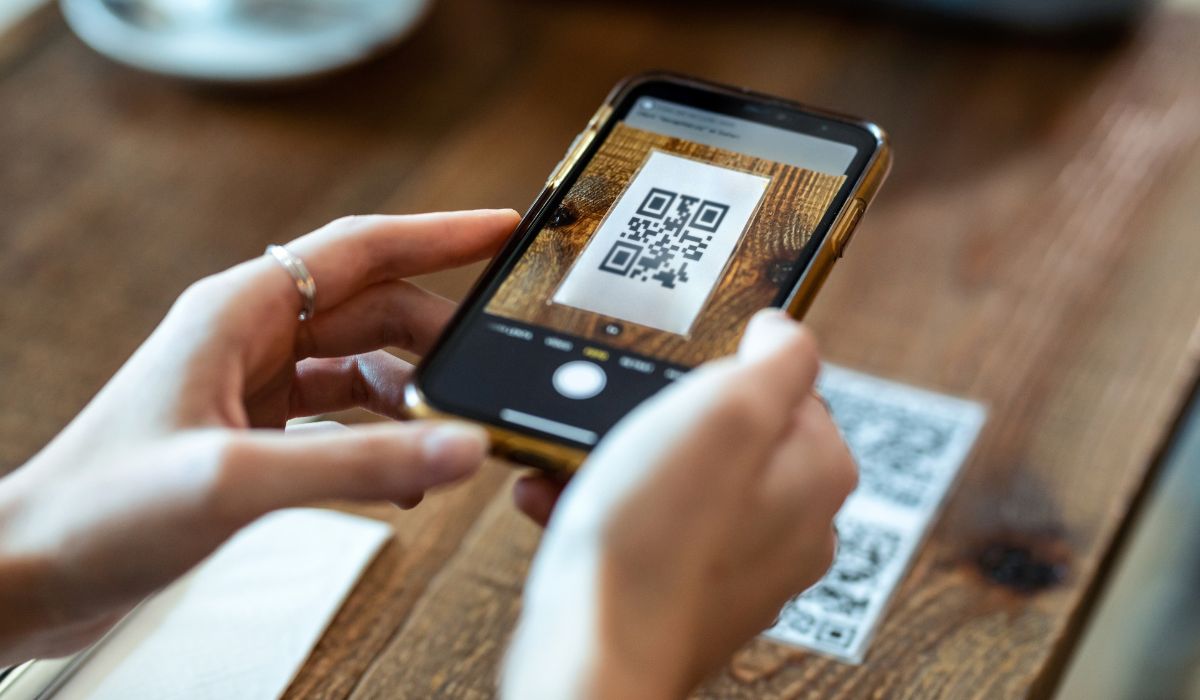
“You know there are QR codes on the tables?”
I beg your pardon?
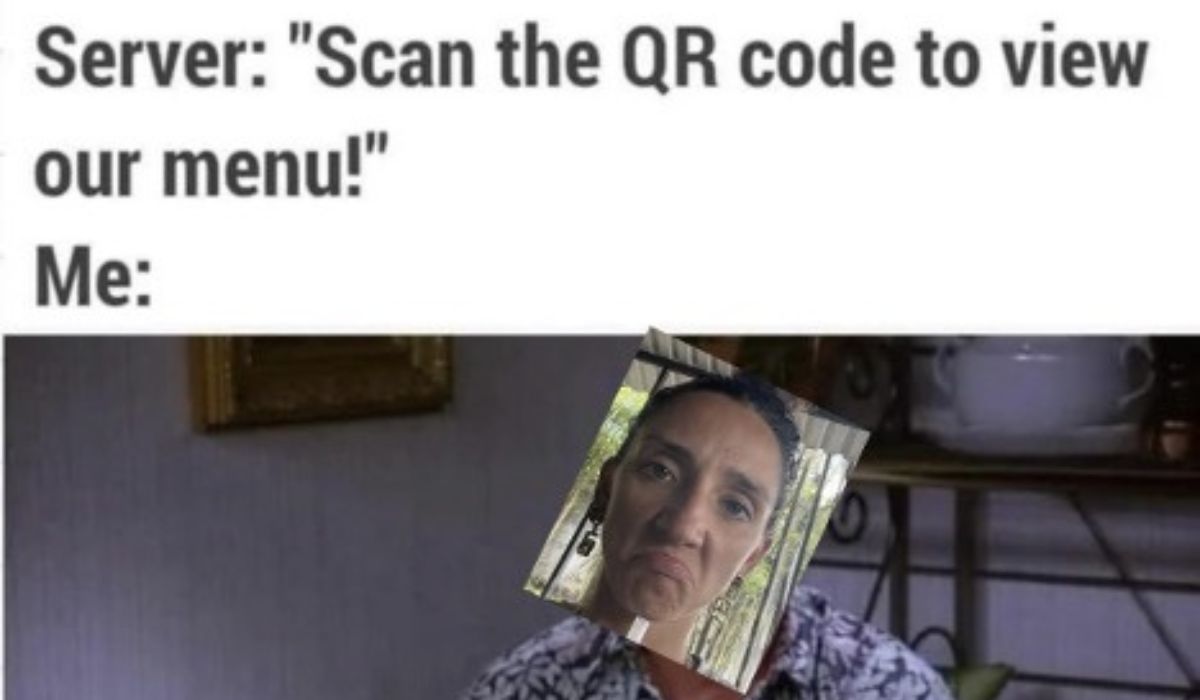
Naturally, I respected the staunchness of her stare. What caught me off guard was my own reaction. For the first time, I wondered… why hadn’t I just used it? It seems to be the safest form of service. No human interaction required.
So, what’s worse? Bad service, or no service at all?
QR codes were forced upon us during lockdown as a way to limit people breathing the same air. But what began as a safety measure is now one of productivity, and a standard across casual dining.
In some venues, it’s appropriate. Not every restaurant needs to be the epitome of hospitality. Nor does every venue require table service. QR codes can be a necessary evil. High-volume venues need efficiency, not heartfelt connection. And, in a time when restaurants are doing it tough, labour is one of the few controllable costs. You can’t cut the rent. You can, though, cut a staff member.
Even the sceptics, such as food and drink writer and editor Max Brearley, are starting to concede ground. “They’re great when flying solo and guarding both your seat and your stuff,” he says. "And for operators, they offer efficiencies that are much needed in the current climate.”
But while they can be an advantage in certain venues, not every pub should be reduced to that. And it still “needs to be backed up with human service, especially when the system fails, your phone dies”, or you want to ask a question.
Because when the system no longer requires service, the standard of service drops with it. What we’re seeing now is service that feels unsure of itself. Staff who aren’t taught to read a table, recommend a wine, or even hold a basic interaction.
A QR code can’t read a person. It can’t adjust for mood, memory, budget, or hesitation. It doesn’t know that Karen will balk at anything outside fruit-forward and simple. Wine isn’t simply a product, it’s contextual. A QR code can list and sort, but it can’t guide, reassure, or do a character reference. Strip that out, and it becomes just another transaction. And if that’s the case, what are we doing?
As venues chase efficiency, training slips and casual service loses its substance. On the other, the complete removal of the human touch may be what keeps venues alive.
Either way, the result is the same: QR codes are a blight on hospitality. They’re not going anywhere. We’ll accept them, occasionally, when it suits. Although, if one more asks me if I’d like to give a tip... I will implode.
Subscribe to the Halliday Wine Companion Podcast
Hear from some of Australia's top winemakers and industry professionals as they share their stories and insights on the Halliday Wine Companion Podcast. Listen here, or on your usual podcast platform, and remember to rate, share and subscribe so you never miss an episode.
Latest Articles
-
![Default article tile image]()
Meet the winemaker
Meet-the-winemaker-March-2026
1 day ago -
Wine Lists
Just in: 17 newly reviewed wines to try
1 day ago -
Q&A with Halliday
Xavier Vigier, beverage manager at Gimlet, reveals his most influential wines
30 Mar 2026 -
Wine Lists
Discover Spanish varieties: Eight wines to add to your list
30 Mar 2026