Wine shows highlight great wines, surface trends and inform buying decisions. But if properly configured, they are just as vital as after-hours symposiums, bringing together Australia’s sharpest wine minds for cross-generational, big-picture thinking.
If the quality of Australian wine is the best it’s ever been (and it is), then the systems and culture that support it must be too.
Many regional shows are already championing this innovation in structure. One example is the Wine Show of Western Australia, held in Mount Barker. Under thoughtful leadership, and smart judge selection, the wine show has become an example of how the circuit can remain prestigious and relevant – not by clinging to tradition, but by questioning it.
For those who have witnessed the full arc of the system, the contrast is stark.
“It was a tough gig,” says Tyrrell’s senior winemaker Andrew Spinaze, reflecting on his early judging days. Having begun in 1984, he’s seen the system in all its phases. “It used to be a boys’ club,” he says, adding that it definitely “wasn’t kind to associates” either.
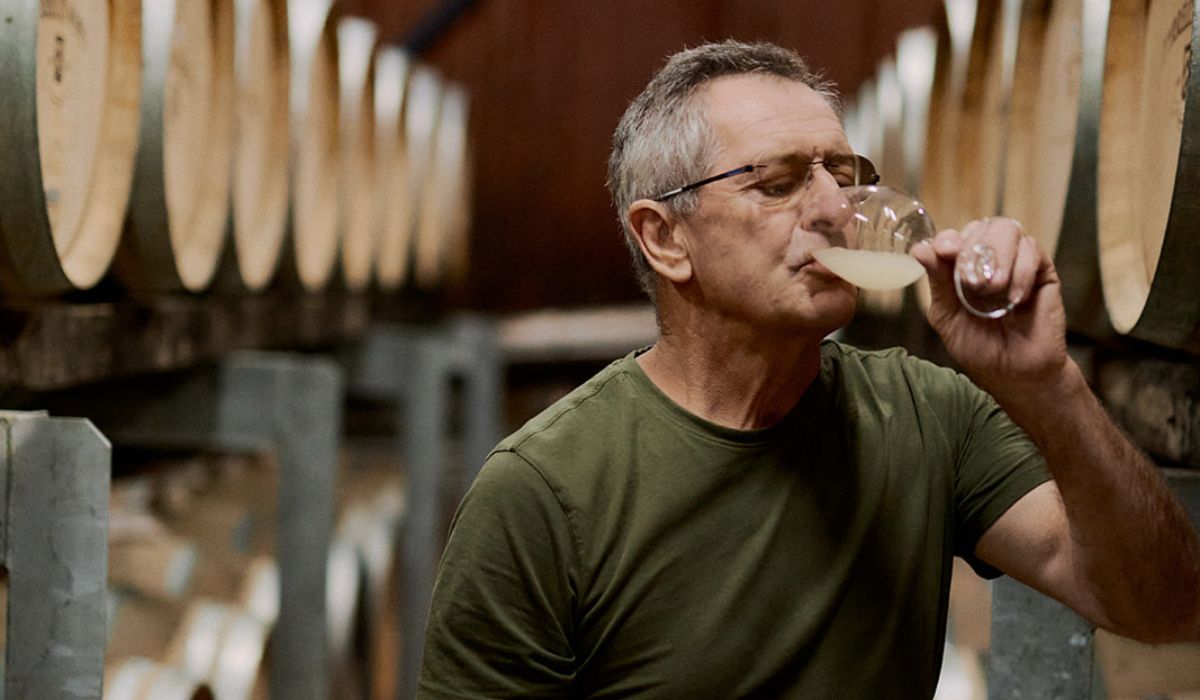
Andrew has just completed his final year as chair of judges in Mount Barker, and holds a grand standing in the circuit. When he began judging, the industry was still finding its feet. Technology was limited, laboratory support scarce, and faults were rampant.
“Wine shows were a tool to clean up the industry,” Andrew says; a necessary exercise in fault-finding, especially as production ramped up through the ’90s. Judging was blunt by design. Panels would look at 200+ wines a day, and with so many flawed wines, the task was demanding but unambiguous. The “pressure was on”, and results had the weight of the industry on them.
During this time, style judges (sommeliers, wine writers, etc.) weren’t required – or welcomed. Women either, naturally. Results were tied deeply to technical feedback for producers, and the need was for winemakers judging winemaking.
Some judges from that era still carry a resistance to style-based perspectives, potentially a hangover from the importance and weight of technical tasters back in the day.
But reverence, when left unchecked, can harden into ego – and ego no longer holds the relevance it once did.
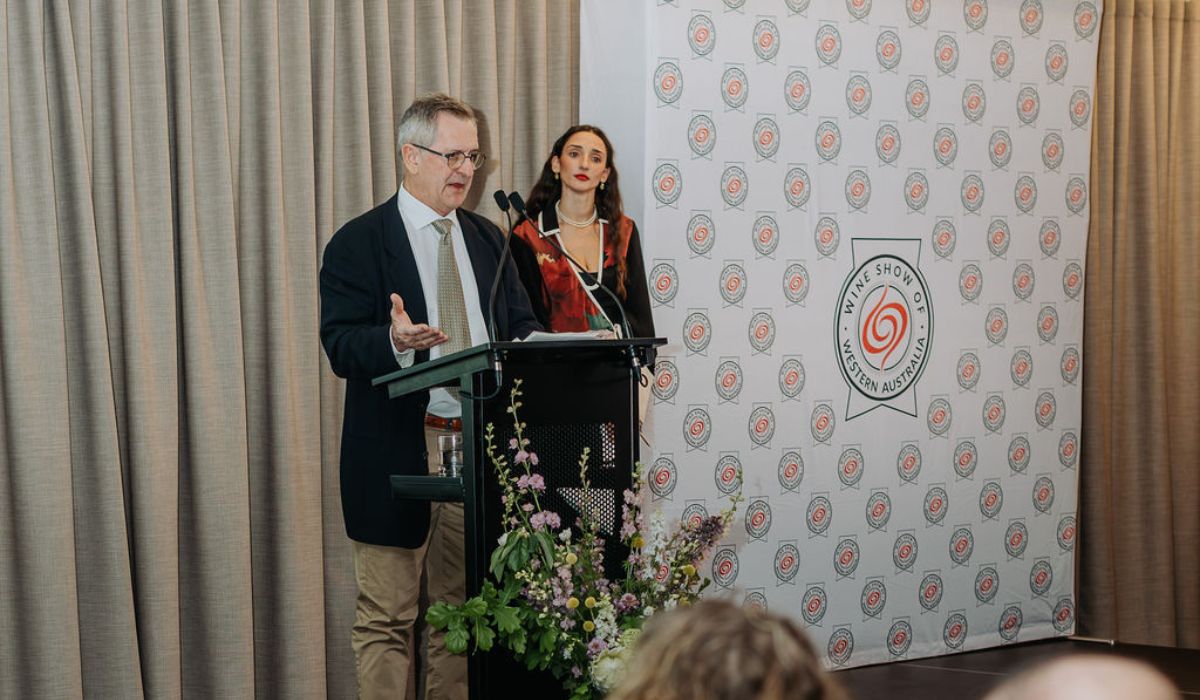
“Now, it’s a different game,” Andrew says. Today’s wines are largely pristine, and shows have become more of a quality indicator, or tick of approval for buyers, and style judges, like somms and educators, who are ultimately closer to the market have a huge part to play in that.
That’s not to say the work is done. “Ego is still around,” he concedes.
As drink styles become better, and more diverse, so must the judges.
Andrew reiterates that while the job of a chair is “to get the best result”, shows are also a vital training ground – a chance for young people to learn, network and share ideas. He also notes that a safe place will enhance the quality of judges and therefore judging on the day.
This cultural movement isn’t isolated to Western Australia. On the east coast, alongside others, the Australian Alternative Variety Wine Show (AAVWS) has also introduced initiatives to foster the next generation of judges.

They host an annual fellowship program that was introduced in 2014 as a “creative way to support emerging wine professionals”, says Elizabeth Marwood, AAVWS Show Manager. It was designed to help ensure “new voices are welcomed, and judging remains relevant, credible and reflective of today’s industry.”
“While no system is perfect, a focus on culture produces better people, better judging and a stronger show circuit overall,” she stresses.
Wine shows will always be about trophies, scores and excellence. They need to be. But their future lies in community, respect and cultural custodianship – a shift already underway.
Join Halliday Wine Club to drink the very best of Australian wine
Are you an explorer, enthusiast or collector? No matter the Halliday Wine Club plan you choose, each month we'll deliver two bottles of 95+ point wines direct to your door. From $89 per month. You can skip, pause or cancel anytime. Join now.
Latest Articles
-
![Default article tile image]()
News
The cost of silence: Mental health in the wine industry
10 hours ago -
Wine Lists
Autumn has arrived, so here are 11 shiraz wines for you to try
7 May 2026 -
From the tasting team
Steadfast shiraz: Katrina Butler on the challenges facing Australian shiraz
7 May 2026 -
News
With Julian Grounds at the helm, Stonier is better than ever – as the 2025 release proves
6 May 2026